3 Types of Dental Implants at IdealCare Dental: Which Option Is Right for You?
Modern dentistry at IdealCare Dental provides advanced Dental Implants designed for durability, high success rates, and dependable long-term performance.
Each implant type comes with its own benefits and considerations. Depending on your oral condition, bone structure, and personal treatment objectives, one option may be more suitable than another. While the final choice is always yours, our team at IdealCare Dental strongly advises making your decision based on professional clinical guidance.
1. Endosteal Implants
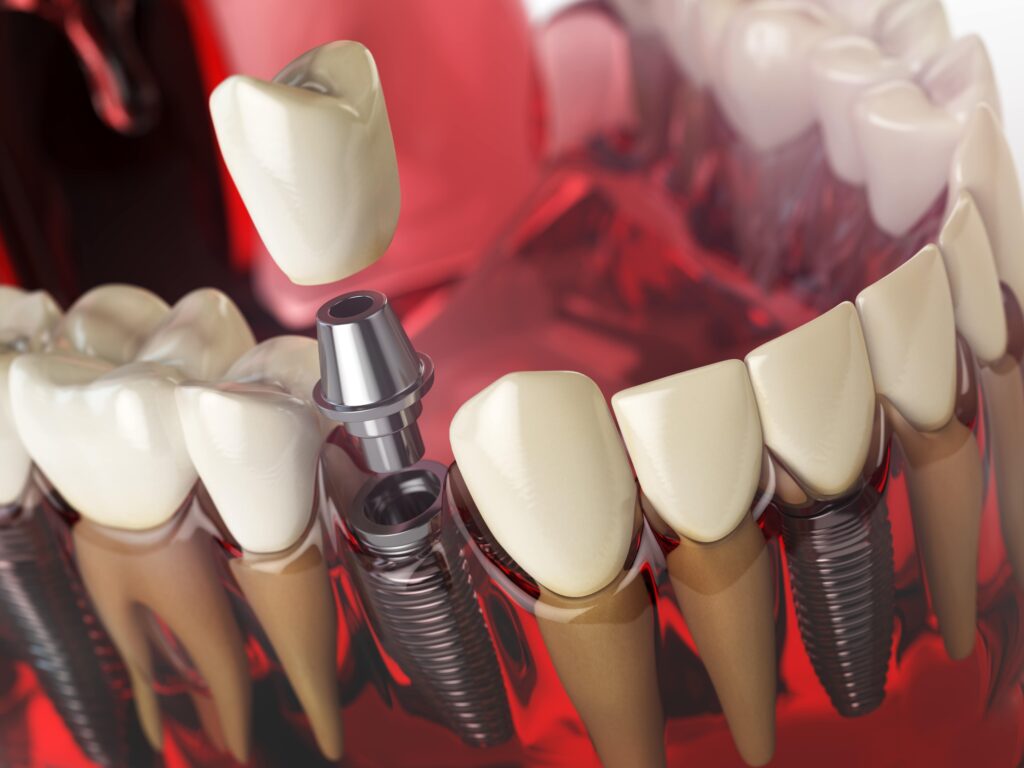
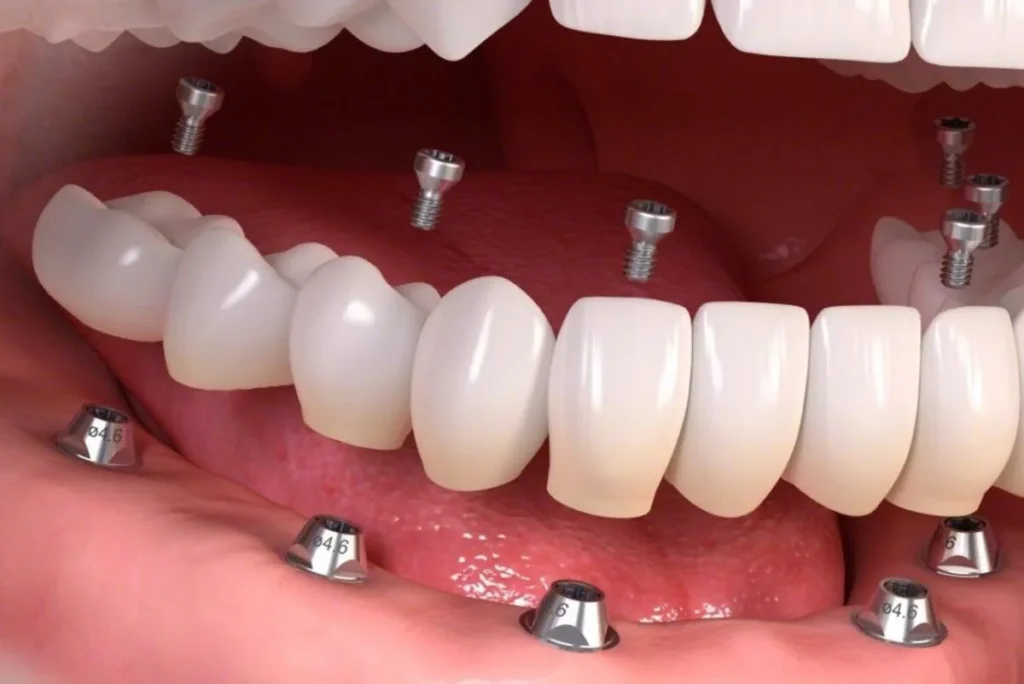
The term “endosteal” means “within the bone.” These Dental Implants are placed directly into the jawbone, where they function as artificial roots to support crowns or other prosthetic restorations.
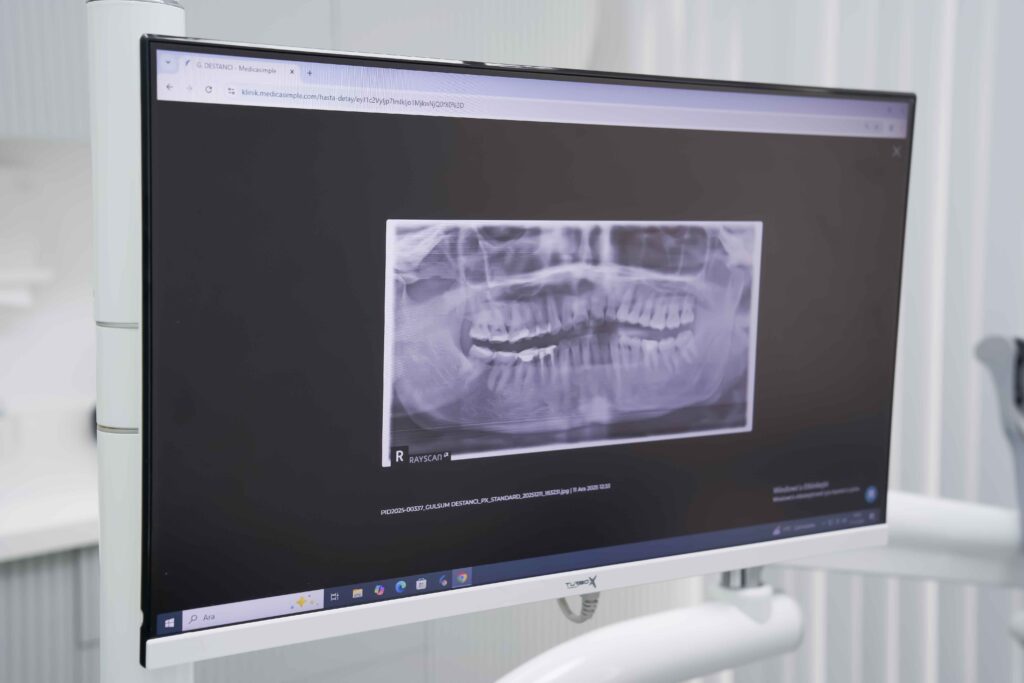
Endosteal implants are generally the most common and preferred solution for patients with adequate jawbone density. At IdealCare Dental, detailed digital scans and clinical assessments are performed to confirm whether this option is appropriate for your specific case.
The word “endosteal” means “inside the bone.” This refers to the implant being placed directly into the jawbone, where it functions as an artificial root to support a prosthetic crown.
Endosteal implants are typically the preferred option for patients who have sufficient jawbone density to securely support the implant. At IdealCare Dental, digital imaging and clinical evaluation help determine if this option is right for you.
2. Subperiosteal Implants
Subperiosteal implants are recommended for patients who do not have sufficient bone density to support endosteal implants.
Rather than being inserted into the bone, these implants are positioned between the jawbone and the gum tissue (periosteum). At IdealCare Dental, this approach may be considered when bone volume is limited and alternative surgical procedures are not ideal.
3. Zygomatic Implants
Zygomatic implants are a specialized variation of endosteal implants and are used in more complex cases involving significant bone loss in the upper jaw.
These implants are longer than conventional implants and are anchored into the cheekbone (zygoma), providing strong structural support when traditional implant placement is not feasible. At IdealCare Dental, this advanced procedure is carefully planned using modern imaging systems to ensure precision, safety, and long-term stability.